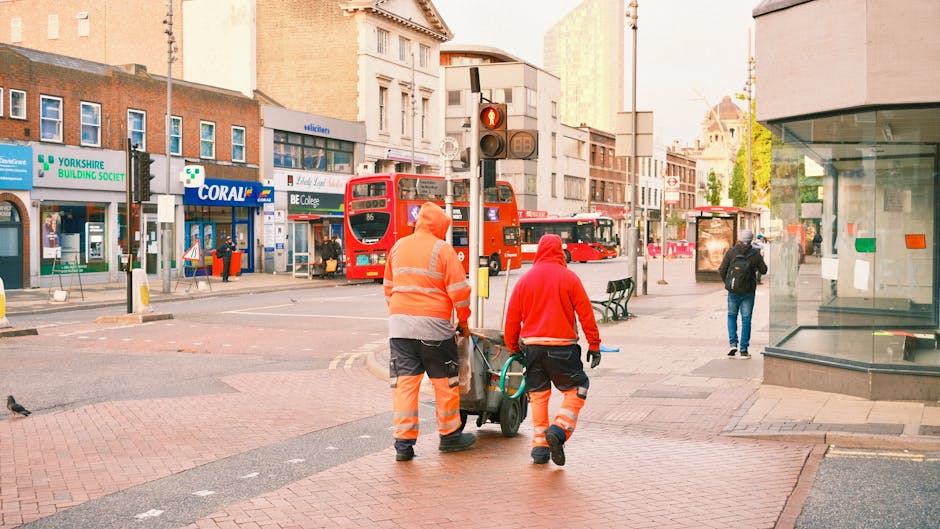
North Cross Road upholstery cleaning for shops and cafes East Dulwich

If you run a shop or cafe near North Cross Road, you already know how quickly upholstery can show the day's work. A few busy lunch services, damp coats on a chair, coffee spills, crumbs, grease, and suddenly the seating looks tired before it should. North Cross Road upholstery cleaning for shops and cafes East Dulwich is about more than making fabric look nicer; it helps protect your customer experience, your furniture, and the overall feel of the business. In a place where people notice the details, that matters. A lot.
This guide explains what professional upholstery cleaning involves, why it is especially useful for East Dulwich hospitality and retail settings, how the process works, and what to look for when choosing a service. You will also find practical tips, a checklist, and a simple comparison of cleaning methods so you can make a sensible decision without guesswork.
Why North Cross Road upholstery cleaning for shops and cafes East Dulwich Matters
In a retail or cafe setting, upholstery works hard in ways customers rarely think about. Chairs absorb body oils, drink splashes, food residue, street dust, and the general wear that comes from constant use. On a busy stretch like North Cross Road, where footfall can build quickly during the day, seating often becomes one of the first things to look dull. And once that happens, the whole room can start to feel less cared for.
That is especially true in cafes, where upholstery sits close to food and drinks, and in shops where customers may browse for a while and rest between purchases. A clean chair or banquette tells people that the business pays attention. A grubby one does the opposite, even if everything else is spotless. It is unfair, perhaps, but that is how people read a space.
There is also the practical side. Dirt trapped in fabric can become harder to remove over time, and small spills can turn into permanent marks if they are ignored. Cleaning upholstery regularly can extend the usable life of chairs, benches, stools with soft trim, and waiting-area seating. That means fewer replacements, less disruption, and a better return on the furniture you have already paid for.
For hospitality businesses, there is another layer: odour control. Fabric can hold onto food smells, damp, and daily traffic. You do not always see this, but customers pick up on it. They may not say anything. They just notice the room feels fresher or it does not. Truth be told, that silent judgement matters more than most owners realise.
If your business already invests in wider cleaning, it makes sense to include upholstery in that plan. You can also pair it with related services such as commercial carpet cleaning or targeted stain removal when you want the whole customer area to feel consistently fresh.
How North Cross Road upholstery cleaning for shops and cafes East Dulwich Works
Professional upholstery cleaning is usually tailored to the fabric, construction, and level of soil. There is no single method that suits every chair or sofa. A good cleaner will inspect the material first, identify the fibre type where possible, and decide how much moisture and agitation the fabric can take without damage. That judgement is half the job.
In practice, the process often starts with dry soil removal. Loose dust, crumbs, and debris are extracted so they do not turn into mud during the wet stage. Then a suitable pre-treatment is applied to break down greasy residues, drink marks, and general grime. After that, the fabric is cleaned using a controlled method, commonly hot water extraction or low-moisture cleaning, depending on the item and its condition.
Hot water extraction is often used on durable upholstery because it can lift embedded dirt effectively. Low-moisture methods may be better for more delicate fabrics, faster turnaround, or situations where the seating needs to be back in use quickly. For some furniture, spot treatment is needed first, especially if there are visible marks from coffee, tea, food, or pen. Not glamorous, but very real in cafes and shops.
After cleaning, good technicians focus on drying. Airflow, room temperature, and sensible scheduling all matter. A chair that looks clean but stays damp for too long can create inconvenience, and sometimes a musty smell. That is why a careful plan is more important than simply blasting everything with water and hoping for the best. Let's face it, that approach rarely ends well.
If your upholstery issues are part of a wider fabric-cleaning problem, it can help to look at adjacent services too, such as sofa cleaning, curtain cleaning, or steam carpet cleaning for a joined-up result across the premises.
Key Benefits and Practical Advantages
Done properly, upholstery cleaning offers benefits that are both visible and quietly commercial. The most obvious is appearance. Clean seating makes a room look brighter, tidier, and more inviting. That can influence how long people stay, whether they order another drink, and whether they feel comfortable recommending your place to someone else.
There is also a hygiene benefit. Upholstery is not the same as a hard surface, and it can hold particles that regular wiping misses. While cleaning does not replace daily hygiene routines, it supports them by removing built-up grime from fabric and seams. In a cafe, that makes a noticeable difference to the overall feel of the room.
Other practical advantages include:
- longer furniture lifespan through reduced wear from embedded dirt
- better odour control in enclosed customer areas
- fewer visible stains and less distracting patchiness
- improved first impressions during busy periods
- more consistent standards across different seating areas
There is a business angle too. If customers choose between two nearby spots on North Cross Road, tiny details can tip the balance. A neat, fresh seating area can make your brand feel calmer and more reliable. People may not analyse it consciously, but they notice. They always notice.
Expert summary: For shops and cafes, upholstery cleaning is not just a cosmetic tidy-up. It is a practical maintenance step that supports presentation, comfort, and furniture longevity at the same time.
Who This Is For and When It Makes Sense
This service is most useful for cafes, coffee shops, restaurants with upholstered seating, boutique retail stores with customer chairs, salons, waiting rooms, and any East Dulwich business that wants its seating to remain presentable between replacements. If customers sit, wait, browse, eat, or linger, your upholstery is part of the experience.
It also makes sense after a specific incident. A spilled latte, greasy takeaway bag, rain-soaked coat, or accidental ink mark can leave a fabric seat looking worse very quickly. Small stains can sometimes be dealt with early using a targeted approach, but once they have settled in, the job becomes harder. That is one of those moments where being prompt saves hassle later.
Cleaning is particularly sensible when:
- seating looks dull even after routine wiping
- there is a lingering smell in the room
- customers have started using only certain seats
- staff are spending too long trying to spot-clean marks
- you are preparing for a seasonal refresh, inspection, or event
Some business owners wait until the furniture looks genuinely bad before arranging cleaning. Fair enough, budgets are real. But waiting too long usually means deeper staining, longer drying times, and more visible wear. A preventative schedule tends to be cheaper in the long run, and less stressful too.
If your shop or cafe also has rugs, carpeted zones, or mixed textiles, it can be sensible to coordinate upholstery care with rug cleaning and regular carpet cleaning so the whole front-of-house space ages evenly.
Step-by-Step Guidance
Here is a straightforward way to approach upholstery cleaning for a North Cross Road business without overcomplicating it.
- Inspect the seating first. Look for stains, fabric wear, colour fading, loose stitching, or areas that stay damp longer than others. Different problems often need different treatment.
- Identify the fabric where possible. Some materials tolerate moisture better than others. Blends, suede-like fabrics, and older seating may need a gentler method.
- Clear the area. Move portable items, menus, cushions, or decorative accessories out of the way. This saves time and reduces the chance of accidental damage.
- Pre-treat visible marks. Grease, coffee, and food stains usually need targeted attention before the main clean.
- Clean using the least aggressive effective method. A careful cleaner will choose the approach based on the item, not force every seat through the same routine.
- Allow proper drying. Good airflow matters. In some cases, you may want to plan the clean for after closing or during quieter trading hours.
- Review the result. Check the cleaned areas in daylight if possible. Sometimes marks look gone under artificial lighting but show up near a window the next morning. Annoying, yes.
For businesses that want a broader refresh rather than a one-off spot clean, it can be helpful to review service information such as upholstery cleaning itself, along with any related stain-focused work. The right sequence can make the final result far better than treating each mark in isolation.
Expert Tips for Better Results
A few small decisions make a big difference. First, do not scrub aggressively. It feels like you are making progress, but harsh rubbing can push staining deeper into the fibres or roughen the fabric surface. That can leave a patchy look, and then you have a new problem on top of the old one.
Second, test any treatment carefully. Even where the fabric seems tough, some dyes and finishes react badly to strong chemicals or excess moisture. A cautious approach is not overcautious. It is sensible.
Third, schedule cleaning with trading patterns in mind. A busy cafe on North Cross Road may not have much spare seating, so you may need phased cleaning or after-hours work. Shops often prefer early morning, before opening, or a quiet weekday slot. The best plan is the one that avoids disruption.
Fourth, make upholstery part of a wider maintenance routine. Chairs, carpets, curtains, and other soft furnishings age together. When one area is neglected, the others can suddenly look older by comparison. A joined-up cleaning plan usually feels more polished and, frankly, more professional.
One small, practical tip: ask for clear guidance on drying and re-use. If a seat is going back into service quickly, you need to know what is safe, what still needs time, and whether there are any precautions for cushions or fabric covers. Simple, but often overlooked.
And yes, if the cleaner has to crouch under every banquette and chase crumbs from impossible corners, that is part of the job. Nobody likes it, but it matters.
Common Mistakes to Avoid
One of the biggest mistakes is waiting too long. Fresh spills are usually easier to treat than old, set-in marks. The longer coffee, food grease, or drink residue sits in fabric, the more likely it is to leave a shadow or ring. Quick action helps, but only if it is done carefully.
Another mistake is using the wrong product because it smells strong or promises instant results. Stronger is not always better. In fact, some products leave residue that attracts dirt later, which means the chair gets dirty again faster. That is a frustrating little cycle.
Other common errors include:
- over-wetting upholstery, which can lead to slow drying or water marks
- using too much detergent, leaving sticky residue behind
- ignoring the frame, seams, and undersides where debris collects
- assuming all upholstery fabrics can be cleaned the same way
- forgetting to plan for customer access and safe movement around wet areas
Businesses also sometimes overlook the value of regular maintenance until the furniture looks obviously tired. By then, the clean-up may take longer and may not fully restore the original look. It is better to stay ahead of the dirt than to fight it once it has settled in.
Tools, Resources and Recommendations
You do not need a cupboard full of gadgets to keep upholstery in decent condition, but a few practical resources help.
- A reliable vacuum with upholstery attachments: Useful for routine dust and crumb removal between professional cleans.
- Clean microfibre cloths: Better than paper towels for blotting spills gently.
- Gentle spot-cleaning supplies: Keep them appropriate for fabric, not whatever happened to be in the cupboard.
- Clear scheduling notes: Useful for planning cleaning around opening hours and customer flow.
- Furniture care instructions: Handy if you still have manufacturer guidance for seating or cushions.
For service planning, it is worth checking practical company information too. Pages like pricing and quotes, insurance and safety, and health and safety policy can help you understand how a provider approaches the work, what protections are in place, and how the job is likely to be managed on site.
If sustainability matters to your business, it is also reasonable to ask how waste water, packaging, and cleaning products are handled. A sensible cleaning provider should be able to explain their approach in plain English. No jargon, no fluff.
Law, Compliance, Standards, and Best Practice
For shops and cafes, upholstery cleaning sits within ordinary business housekeeping and workplace safety rather than some exotic specialist rulebook. Still, it should be handled with care. In the UK, employers and business owners have general duties around providing a safe environment for staff and visitors, which includes managing slip hazards, keeping walkways clear, and using cleaning products responsibly.
That means timing matters. If cleaning is done during trading hours, the area should be managed so customers are not stepping on wet fabric or walking around equipment in a way that creates avoidable risk. It also means cleaners should use appropriate methods for the material, especially where delicate fabrics, electrical fittings, or built-in seating are involved.
Best practice usually includes:
- checking fabric type and condition before cleaning
- using appropriate products and controlled moisture levels
- protecting adjacent surfaces and flooring
- allowing proper drying time before reuse
- keeping the work area safe and clearly managed
If you are handling customer data, online payments, or booking details while arranging the clean, standard privacy and payment expectations still apply. That is not glamorous, but it is part of running a trustworthy business. You may also want to review general business terms such as terms and conditions and payment and security so expectations are clear on both sides.
On the operational side, responsible providers often have policies for complaints, privacy, accessibility, and ethical conduct. Those pages do not clean a single chair, of course, but they do tell you something about the professionalism behind the service.
Options, Methods, or Comparison Table
Not every upholstery job needs the same approach. Here is a simple comparison to help you think through the choices.
| Method | Best for | Advantages | Watch-outs |
|---|---|---|---|
| Hot water extraction | Durable upholstered chairs, benches, and heavily used seating | Strong deep-cleaning ability, good for embedded soil and general refreshes | May need longer drying time; not ideal for every delicate fabric |
| Low-moisture cleaning | Light-to-medium soiling, faster turnaround, more delicate surfaces | Quicker drying, less disruption to trading hours | May be less effective on deeply set stains if used alone |
| Targeted stain treatment | Specific spills such as coffee, food, ink, or grease | Can address trouble spots without overcleaning the whole item | May not fully restore a heavily worn seat on its own |
| Routine vacuum and maintenance | Between full professional cleans | Keeps dust and crumbs under control, helps seating last longer | Will not remove deep staining or odour build-up |
In many real-world settings, the best option is a combination. For example, a cafe might use routine maintenance weekly, targeted stain treatment as needed, and a deeper professional clean at planned intervals. A shop with less food traffic may need fewer interventions, but still benefits from periodic care. There is no award for doing everything the hard way.
Case Study or Real-World Example
Imagine a small cafe near North Cross Road with upholstered bench seating along one wall and a few fabric chairs near the window. After several months of busy service, the owner notices a few things at once: the seats look slightly darkened, there is a faint coffee smell after closing, and staff have started avoiding one section because it always seems harder to keep tidy.
Rather than replacing the furniture, the owner arranges a professional upholstery clean after the evening close. The technician inspects the fabric, treats the coffee marks around the seating edge, and uses a method that suits the material without over-wetting it. The next morning, the room feels lighter. Not magically new, but noticeably fresher. The bench no longer looks like the hardest-working part of the business, which is exactly the point.
What changed? A few practical things. Dirt was removed from the fibres, the odour was reduced, and the seating area once again matched the standard of the rest of the cafe. Staff also found it easier to keep on top of daily maintenance afterwards because the starting point was better.
That is often the real value of upholstery cleaning. It resets the baseline. Everything after that becomes easier.
Practical Checklist
Use this checklist before arranging upholstery cleaning for your shop or cafe.
- Identify which seats, benches, or soft furnishings need attention.
- Note any specific stains, odours, or fabric concerns.
- Check whether cleaning needs to happen outside opening hours.
- Confirm whether the fabric is delicate, mixed, or heavily worn.
- Clear the area so staff and customers can move safely.
- Ask how long the upholstery is likely to need to dry.
- Decide whether related items such as carpets or rugs should be cleaned at the same time.
- Review business documents such as pricing, safety, and terms before booking.
- Plan a simple maintenance routine for after the clean.
- Set a reminder so the furniture does not get left until it looks bad again. Easy to do, oddly easy to forget.
Get a free quote today and see how much you can save.
Conclusion
For businesses on and around North Cross Road, upholstery cleaning is one of those small decisions that quietly improves everything around it. The seating looks better, the room feels fresher, and customers get a better first impression without you having to shout about it. Shops and cafes in East Dulwich thrive on atmosphere as much as products, and upholstery is part of that atmosphere whether we like it or not.
The best approach is simple: clean before the dirt becomes a bigger problem, choose the method that suits the fabric, and build upholstery into a sensible maintenance plan rather than treating it as an emergency fix. If you do that, the furniture lasts longer and the business looks more cared for. That is a decent return for a fairly ordinary bit of maintenance, really.
And if you are weighing up your next step, a calm, practical clean is often the easiest way to make the whole space feel ready again. One fresh seat at a time.
Frequently Asked Questions
How often should shops and cafes on North Cross Road book upholstery cleaning?
It depends on footfall, fabric type, and how much food or drink traffic the seating gets. Busy cafes usually need more frequent attention than quieter shops. A maintenance schedule is better than waiting for obvious staining.
Can upholstery cleaning remove coffee and tea stains?
Often, yes, especially if the stain has not been left for too long. Older stains can be more difficult and may need targeted treatment rather than a simple surface clean.
Will my seating need to close for the day?
Not always. Some jobs can be done after hours or in stages. Drying time is the main factor, so it is worth discussing your trading pattern before booking.
Is steam cleaning safe for all upholstery?
No. Despite the name, not every fabric should be cleaned with a steam-heavy or moisture-intensive method. The cleaner should match the method to the fabric, not the other way around.
What is the difference between upholstery cleaning and sofa cleaning?
Upholstery cleaning is the broader service covering fabric seating and soft furnishings in general. Sofa cleaning is a specific type of upholstery cleaning focused on sofas and similar lounge furniture.
Can upholstery cleaning help with odours in a cafe?
Yes, especially where smells are trapped in fabric from food, drink, or general daily use. It will not fix every ventilation issue, but it can make a noticeable difference to the room's freshness.
What should I do before the cleaner arrives?
Move loose items away from the furniture, note any problem stains, and make sure the area is accessible. If possible, tell staff what time the work is taking place so nobody is surprised mid-service.
Will professional cleaning damage old or fragile fabric?
A careful provider should assess the fabric first and use a suitable method. Old or delicate items need more caution, not less. That is where experience really counts.
Is it worth cleaning upholstery if the chairs still look okay?
Yes, because fabric can hold dirt and odour long before it looks obviously dirty. Cleaning before the problem becomes visible often helps furniture last longer and keeps the business looking sharper.
How long does upholstery take to dry?
Drying time varies with the method used, the fabric, room ventilation, and the amount of soil removed. Low-moisture cleaning tends to dry faster, while deeper extraction methods may take longer.
Should I combine upholstery cleaning with other services?
Often, yes. If your business has carpets, rugs, curtains, or soft seating in one customer area, a joined-up clean can give a more consistent finish. It also makes scheduling easier in many cases.
How do I choose a provider for East Dulwich commercial seating?
Look for clear explanations, sensible safety information, fair pricing, and a method that seems tailored to your fabric rather than generic. Good communication matters. A lot more than fancy wording, to be honest.